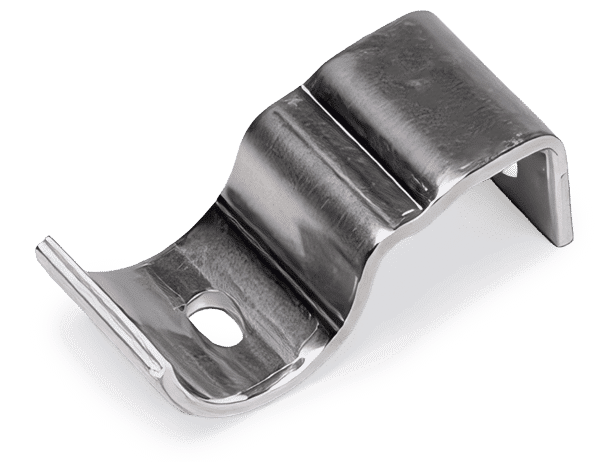
As an experienced precision metal stamping company, Stewart EFI produces complex components through advanced slide forming and four-slide stamping technologies. Commonly referred to as multi-slide stamping – slide forming is a precision metal forming process used to manufacture complex wire and strip metal components. The process uses multiple independently actuated slides to perform several bending, extruding, coining, and shaping operations in a single cycle, making it ideal for intricate geometries that are difficult or costly to produce using conventional stamping methods.
With more than 35 four-slide, multi-slide, and verti-slide machines from US Baird, Nilson, Bihler, Finzer, Torin and Sleeper-Hartley, we produce intricate parts with maximum material efficiency and consistent quality for OEMs worldwide.
Stewart EFI brings decades of expertise to every multi-slide forming project, leveraging our experience to develop the most efficient manufacturing process for your part requirements. Learn how we can improve your part’s production.
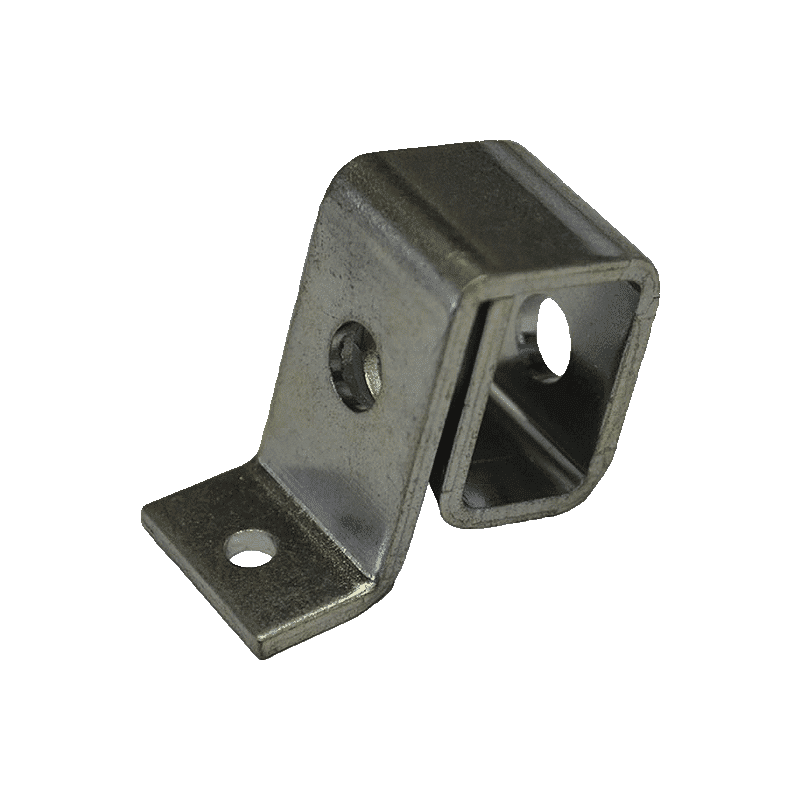
Our slide forming operations allow for multiple bends, intricate geometries and precise part control while maximizing material utilization by efficiently using strip stock and raw material edges.
Since 1936 customers have trusted Stewart EFI for repeatable quality, unmatched service, and reliable results. Learn more about the slide forming stamping process from our experts, or explore our deep drawing and progressive die stamping capabilities.
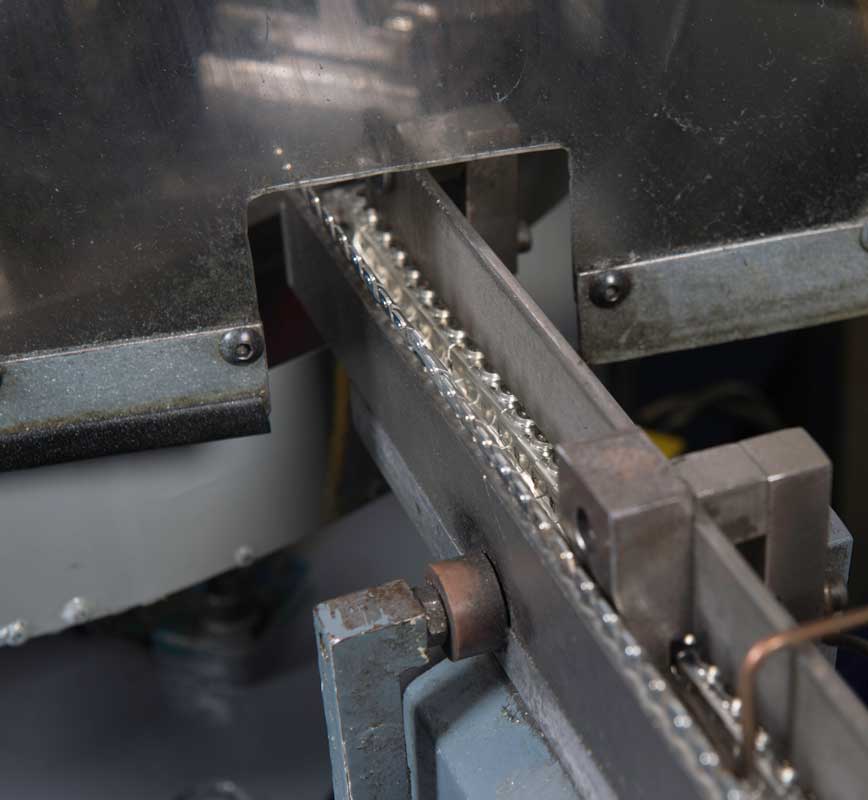
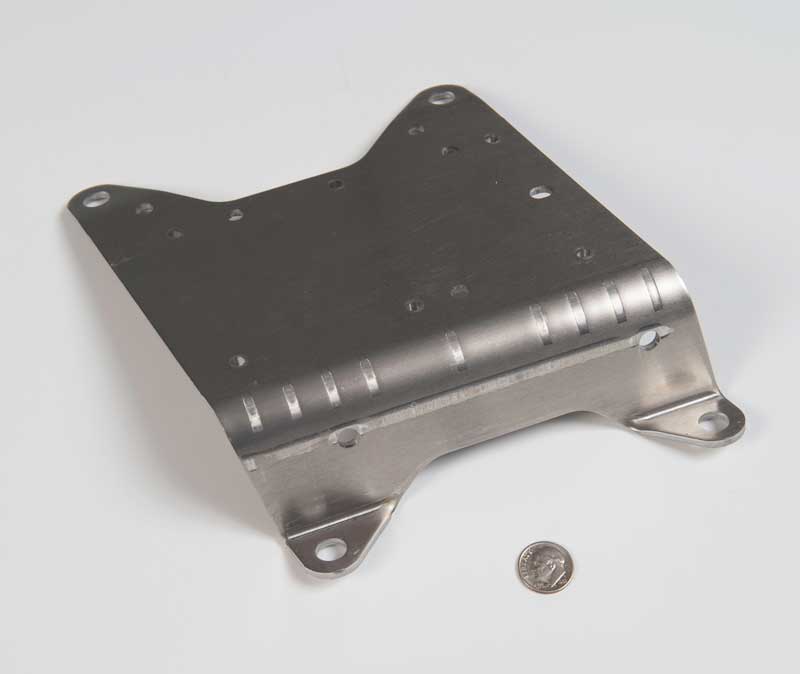
We partner with customers early through value analysis/value engineering (VA/VE) to minimize cost, maximize quality and simplify integration of stamped components into your product. Our in-house engineering capabilities can assess manufacturability, provide design for manufacturability (DFM) recommendations, review application requirements, and advise on revisions that will improve outcomes. This approach includes:
Our engineering team will also review your component’s material requirements, ensuring manufacturing processes maintain consistent wall thickness, address grain and feed directions, and identify the optimal finishing processes. Our extensive in-house production, secondary operations, and finishing teams work together with our project managers so customers get the parts they need on-time – from prototype quantities through full-rate production and just-in-time delivery.
These combined practices allow Stewart EFI to deliver slide forming and four-slide stamping components with exceptional repeatability and faster turnaround. By integrating engineering support with in-house tool design, automation, secondary operations and advanced quality controls, we help OEMs streamline production, reduce risk, and bring high-performance parts to market more efficiently.
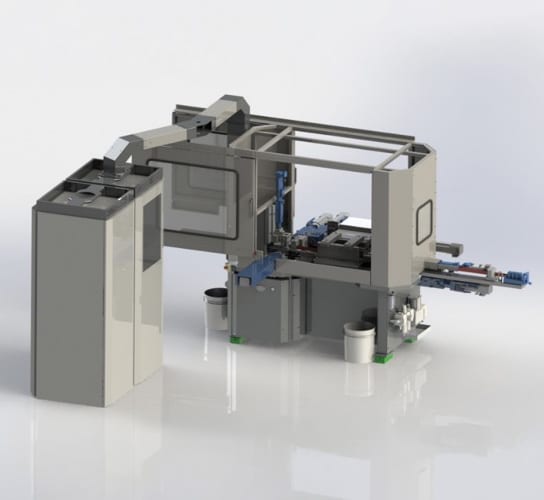
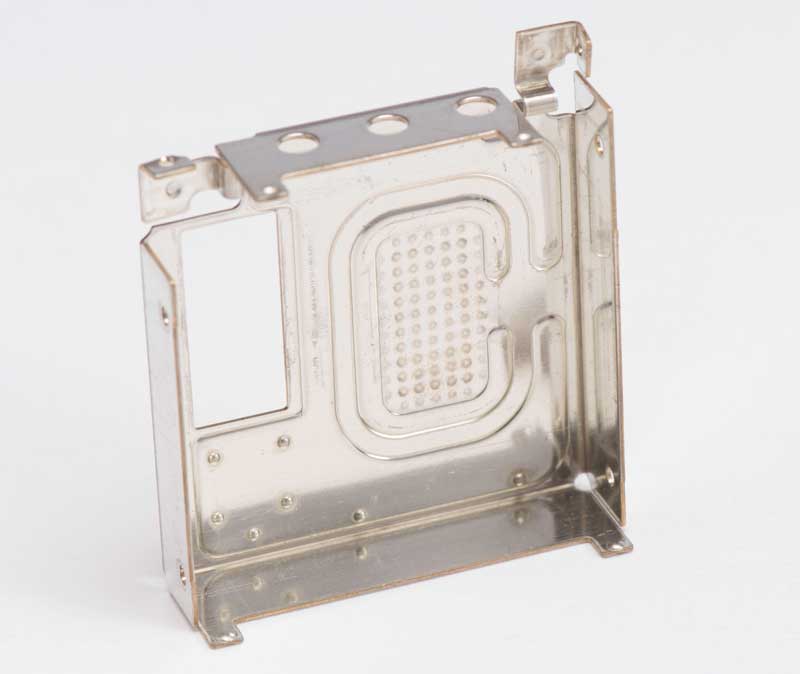
At Stewart EFI, our engineering team evaluates your part’s design, material type, and performance requirements to develop tooling and stamping processes that will produce the best results. While we offer extensive deep drawing and progressive die stamping manufacturing capabilities, slide forming is often recommended for components that require:
Our slide forming and four-slide stamping operations help OEMs reduce material waste, achieve tighter tolerances, and streamline assembly across multiple industries. Backed by ISO 9001:2015 and IATF 16949:2016 certifications at our U.S. plants and a joint venture in China, Stewart EFI supports your production needs at a global scale.
We provide prototyping, assembly manufacturing using progressive stamping processes, finishing operations, plating & finishing – allowing customers to rely on Stewart EFI as a single supplier for precision metal stamped components for a range of industries.

From clips and fasteners to precision housings, our slide forming capabilities produce automotive components that meet strict safety and performance standards.
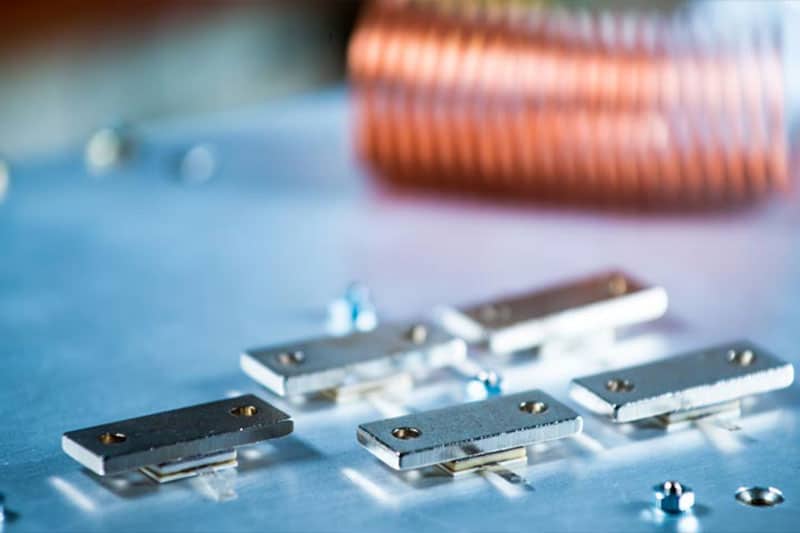
We manufacture intricate connectors, contacts and terminals with the tight tolerances demanded by today’s high-density electronic assemblies.

Our slide forming processes support medical device OEMs with reliable, repeatable components built under rigorous quality controls, ensuring compliant consistency.

Defense contractors, military organizations, and munitions manufacturers trust Stewart EFI for slide-formed components that perform in mission-critical environments with consistent quality.
We routinely form standard, specialty and exotic metals, including stainless steel, aluminum, brass, copper, beryllium copper and high-strength alloys, using gauges from approximately .002 in. to .120 in. (0.05 mm to 3.0 mm). We can also process pre-plated, heat-treated, anodized or inlayed materials to meet your application’s exact requirements.
Slide forming is the manufacturing process, while multi-slide stamping is another commonly used name for the process. Four-slide stamping refers to a specific style of slide forming machine that uses four independently actuated forming slides. Although the terms are often used interchangeably, four-slide equipment is one type of multi-slide forming system.
Slide forming feeds individual blanks or cut lengths of material into multi-slide equipment, where independently actuated slides perform a series of forming operations before the finished component is removed from the machine. Progressive die stamping feeds a continuous strip of metal through a series of die stations. Each press stroke performs one or more cutting or forming operations while pilots and feed mechanisms maintain precise alignment until the finished part is separated from the strip.
Progressive die stamping is generally preferred for high-volume strip-fed parts with sequential forming operations, while slide forming excels at components requiring multiple bends from different directions or intricate three-dimensional geometries. Stewart EFI engineers evaluate each application to determine the most efficient manufacturing process based on part geometry, production volume, material, and cost objectives.
Yes. Our engineering team collaborates with OEMs early in the design cycle to optimize parts for manufacturability, cost and assembly. Through value analysis/value engineering (VA/VE), APQP planning and modular tooling strategies, we help you achieve quicker launches, lower total cost and long-term quality consistency.
Stewart EFI provides extensive material capabilities when forming slide formed components. We regularly work with materials such as stainless steel, carbon steel, copper, silver, nickel alloys, aluminum, zinc, gold alloys, and brazing materials. We also produce parts using exotic and specialty materials, including Inconel, titanium, niobium, tantalum, Kovar, Invar, 42 Alloy, and 46 Alloy, as well as pre-treated and engineered materials.
When evaluating metal stamping suppliers that can produce part using slide forming, including multi-slide and four-slide stamping operations, look for:
Slide forming is well suited for high-volume production of precision components that require repeatable quality, tight tolerances, and multiple forming operations. Compared with CNC machining, slide forming can often reduce material waste, labor, part handling, and secondary operations by producing complex features in a single automated process. When production volumes justify dedicated tooling, this approach frequently lowers cost per piece while improving manufacturing efficiency and consistency.
From automotive to medical, OEMs trust Stewart EFI’s slide forming and four-slide stamping capabilities to deliver precision parts at scale. Our combination of advanced equipment, engineering know-how and sensor-driven quality ensures your components meet the highest standards, on time and on budget.
Contact our team to discuss your slide forming project and discover how Stewart EFI can help you achieve cost-efficient, high-quality production.